"I know what I should be doing, so why can’t I just stop?”
This is something I hear so often from clients - usually said with guilt, frustration, and a sense that they must be lacking willpower.
But I don’t think that’s the full story.
For many people, the problem isn’t that they need to “try harder”. The problem is that we now live in a food environment that makes eating well far harder than it should be. We’re surrounded by foods that are cheap, convenient, and available all the time - and many of them aren’t really designed to nourish us. They’re designed to make us want more.
And they do that very well.
Why Some Foods Are So Hard to Resist
Most of us don’t overeat broccoli. We don’t usually find ourselves standing in the kitchen at 10pm unable to stop eating plain chicken breast.
The foods that tend to feel difficult to control are usually things like bread, crisps, biscuits, chocolate, pastries and cereal - highly processed foods often made with a combination of refined carbohydrates, sugar, fat, salt and flavourings. That combination can be incredibly powerful. It can light up the reward pathways in the brain and make us want more, even when we’re not physically hungry.
So when someone says, “I can’t just have one,” It’s not weakness. It’s biology.
It's Not Just About Weight Either
I also think we need to move this conversation away from the number on the scales.
Yes, weight can be part of the picture - but it isn’t the whole picture. You can be slim and still have poor blood sugar control, inflammation, low energy, cravings, or other signs that your metabolic health needs support.
This is really about how food affects your body: your blood sugar, energy, mood, hormones, sleep, and long-term health.
When we understand that, the question changes. Instead of asking, “Why am I so tired?” we can start asking, “What is this food doing to my body?”
That’s a much more helpful place to begin.
My Own Experience
I understand this personally.
When I reached menopause, my body changed in a way I wasn’t expecting. I gained weight, my blood tests started moving in the wrong direction, my sleep was poor, and my cravings became intense.
That was hard to admit, especially as a nutritionist. I knew what to eat. I understood nutrition. But knowing something and experiencing it in your own body are not always the same thing.
The foods I struggled most with were the simple, everyday ones. Bread was a big one for me - if I had one piece of toast, I wanted more. Then I’d crave it for days.
It sounds ridiculous until you’ve lived it.
That was when I realised this wasn’t just about knowledge. It was about my changing hormones, my blood sugar, my insulin response, and the way certain foods were affecting my brain and body.
The Problem With Carbs
I got a Continuous Glucose Monitor.
One of the biggest things I noticed was how I responded to carbohydrates.
When carbohydrates are eaten on their own, without protein, fat, or fibre to slow absorption, they can cause a rapid rise in blood sugar for some people. Things like toast, biscuits, crackers, and even some fruit.
What goes up quickly often comes down quickly. Blood sugar rises, insulin rises, blood sugar crashes, energy crashes - and then the body starts looking for another quick fix.
Generally more carbs! Your body is telling you to solve the low blood sugar problem quickly.
That can leave you feeling hungry, tired, irritable and craving more food, even if you’ve eaten recently.
This is a blood sugar roller coaster.
What Helped Me
What helped me most was ignoring calories (counting calories doesn’t work; that’s in another blog!). I changed the structure of my meals.
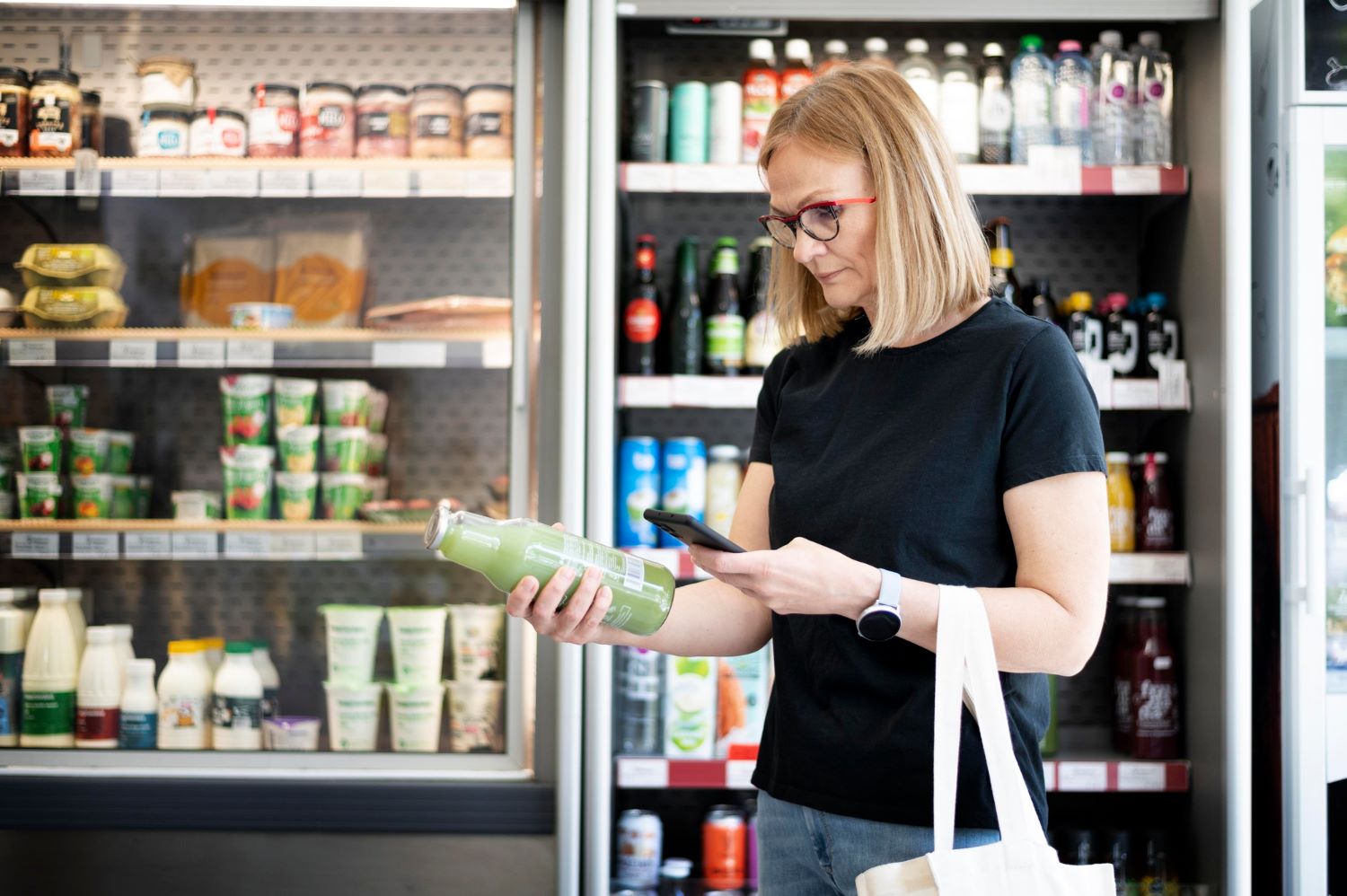
I focused on protein, healthy fats, fibre and whole foods. I read every food label, and honestly, once you start doing that, it’s shocking how many everyday products contain ingredients you’d never find in your kitchen.
It did make shopping take longer at first. My husband was not thrilled - watching me examine labels in the supermarket was apparently not his idea of a fun afternoon.
But over time, it became easier. My cravings settled. My energy improved. My blood sugar became more stable. I lost weight. But most important, I started to feel more like myself again.
Where to Start
If this sounds familiar, you don’t need to overhaul everything overnight. Start small.
First, try not to eat carbohydrates on their own. Add protein or healthy fats - have fruit with Greek yoghurt, nuts or seeds; have toast with eggs; add chicken, fish, cheese, avocado or olive oil to meals. This helps balance your blood sugar.
Second, eat the rainbow. Build your meals around colourful plants that come from nature, not a factory. These are high in fibre. This helps balance your blood sugar.
Third, read labels. A good question to ask is: would I have these ingredients in my kitchen? If the answer is no, it might be worth considering: is this really food?
This Is Not About Being Perfect
Please don’t use this as another reason to beat yourself up.
This is about understanding your body and working with it, not against it. If you struggle with certain foods, it doesn’t mean you’re weak.
It may mean your blood sugar is unstable. It may mean your hormones are shifting. It may mean ultra-processed foods are doing exactly what they were designed to do!
The good news is that once you understand what’s happening, you can start to make different choices.
Not perfectly. Just one meal, one choice and one step at a time.
If you’d like help navigating this food environment that our biology wasn’t designed for, do book a call here.
BOOK A FREE CallIf you are interested in trying a Continuous Glucose Monitor to see how your body is responding to different foods, I offer a two-week CGM support programme for £200, which includes a CGM (worth £50).